

Sometimes the Most Obvious Things to Do are the Most Difficult
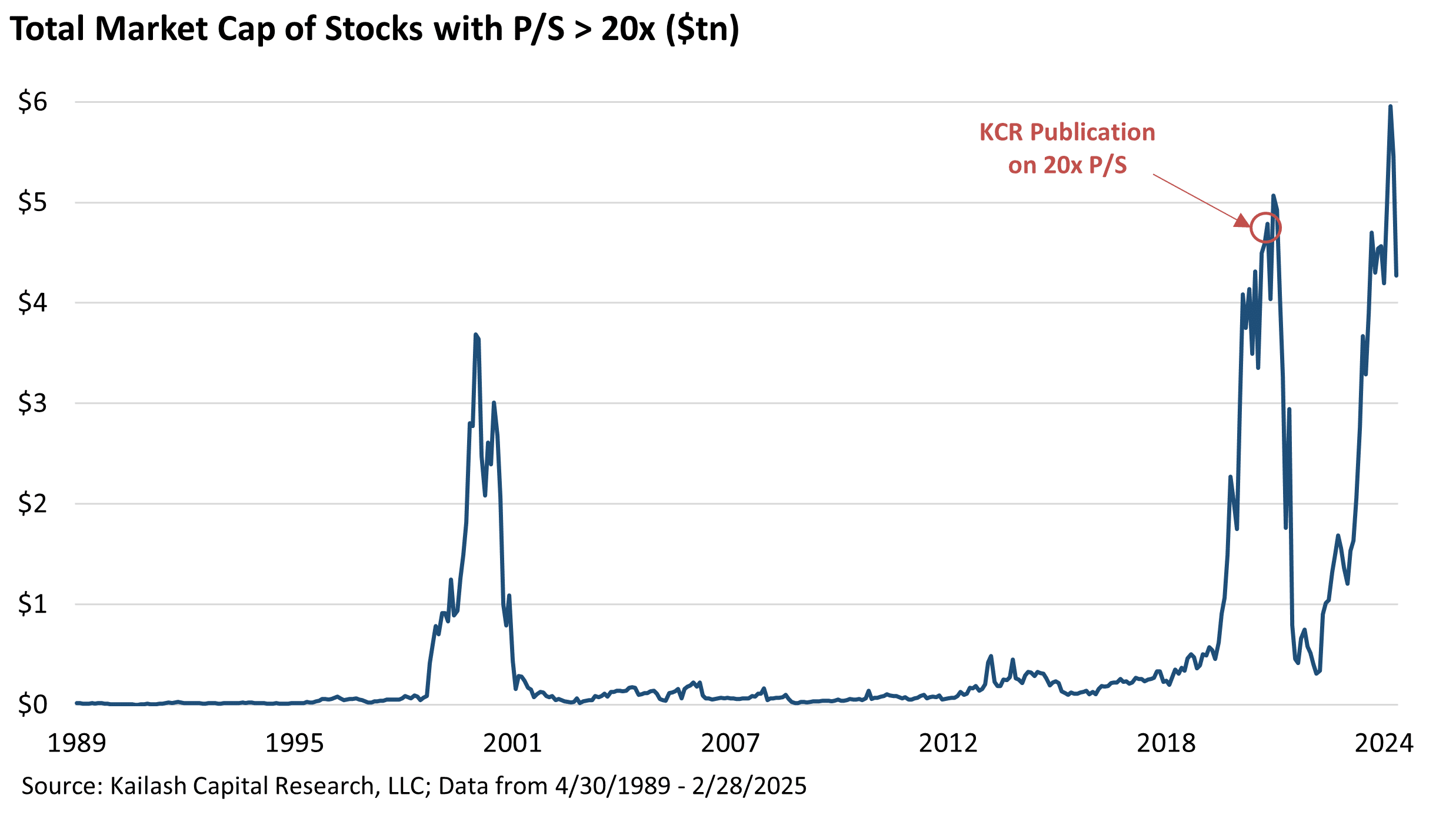
There are two times in a man’s life when he should not speculate: when he can’t afford it, and when he can. -Mark Twain Back in September of 2021, KCR penned a piece The Market Cap of Companies Over 20x Price to Sales is Out of Control. You can see on the chart below that
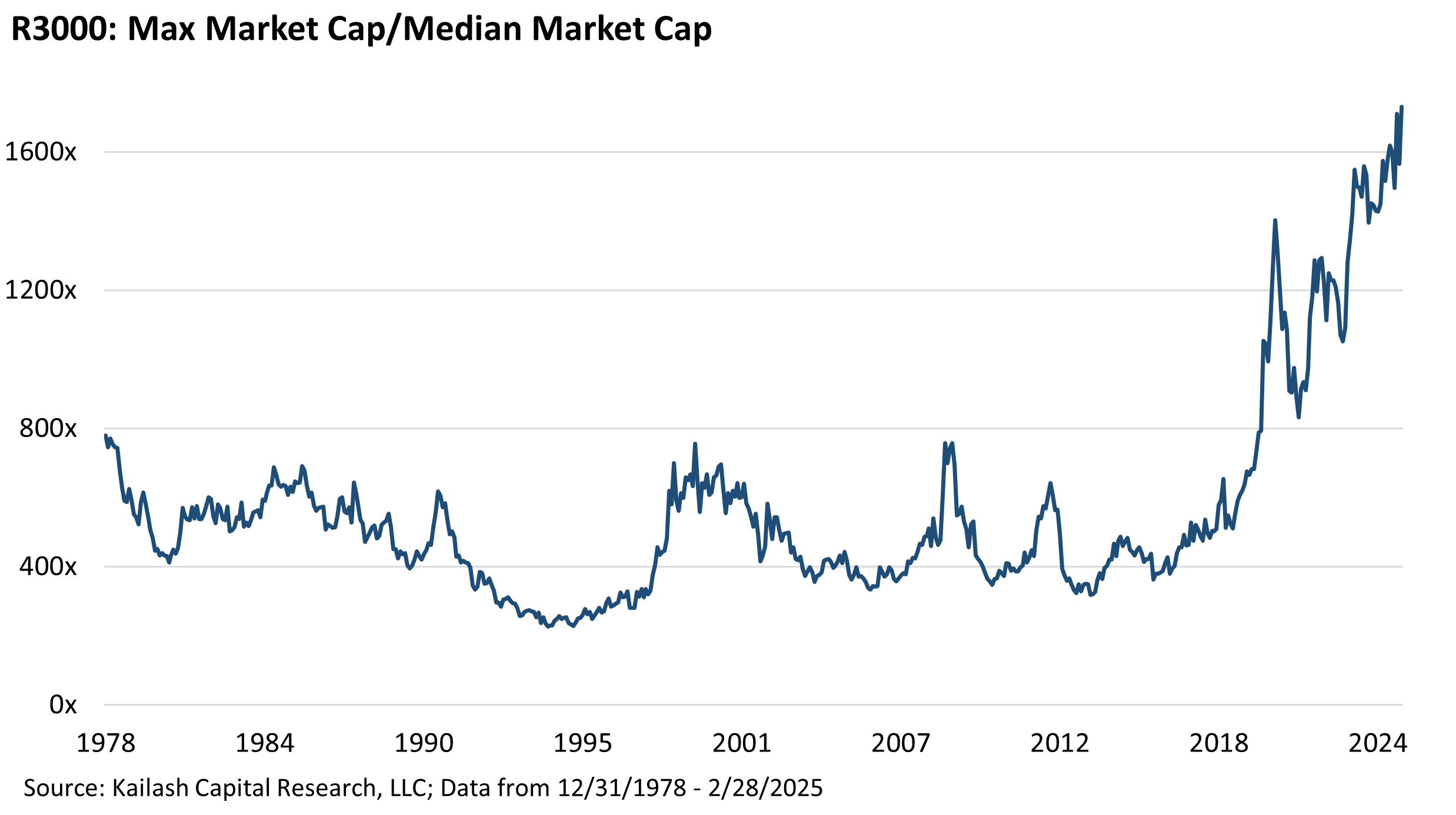
Is Capitalism in Crisis? Or is this cycle of stupidity just longer and larger than usual?
In our recent piece, If Not Now, When?, we pounded the table on the investment merits of mid-cap stocks. Much of the thesis rests on the unforgiving valuation of the Russell 1000 Index of large cap stocks. In that piece, we demonstrated that much of the overvaluation in the large cap index came from just the 50 largest stocks.

Midcap Stocks Part II: If Not Now, When?
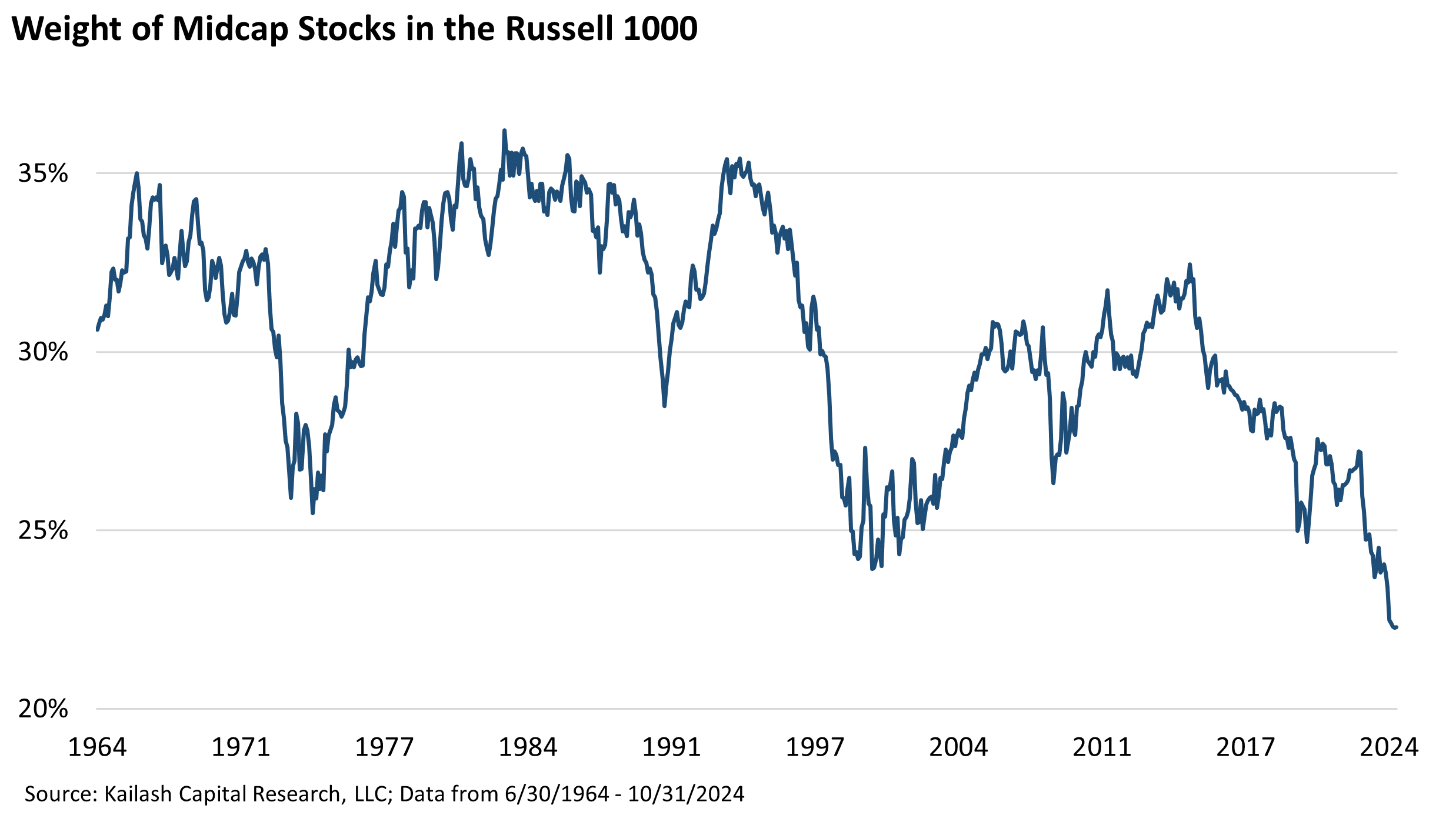
In Part I of our piece on Midcap stocks, we led out with a chart showing that investors’ allocation to midcap stocks had fallen to levels last seen at the peak of the dot.com bubble; the lowest levels since 1964. We explained how investors willing to pivot into unloved midcaps in 1999 saw outsized gains while those who remained in the large cap index spent five solid years earning precisely nothing.

Memes & Other Financial Dreams: The Case for Valaris Limited
The first $100,000 is a b*itch, but you gotta do it. I don’t care what you have to do – if it means walking everywhere and not eating anything that wasn’t purchased with a coupon, find a way to get your hands on $100,000. After that you can ease off the gas a little bit. -Charlie Munger, Explaining the Difficulty & Importance of Saving Your First $100k
A Mighty Microcap? The Case for ScanSource, Inc. (SCSC)
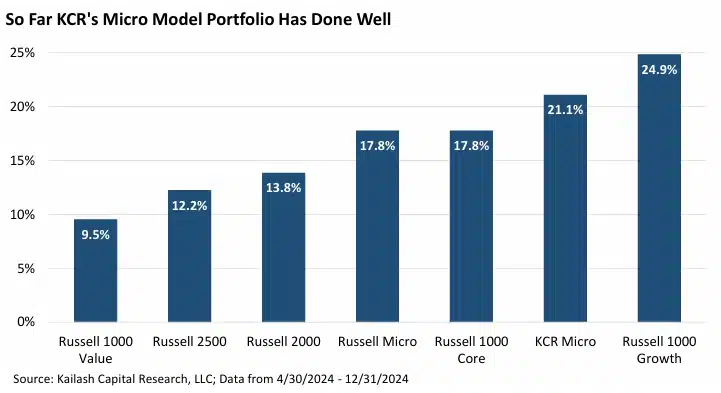
In April of last year we published A Search for Big Returns in Small Packages, the first in a two part series on the remarkable opportunities we saw in micro-cap stocks. The piece highlighted that our KCR Micro Model Portfolio was lagging the Russell 2000 – one of its two primary benchmarks.
KCR’s Top Charts Updated
Every year since the launch of our website, we have posted a piece reviewing KCR’s work from the prior year. Today’s post continues that tradition and even includes some 2023 publications that are just as compelling today as they were when published. We would like to thank our rapidly growing list of readers for their support, engagement, and thoughtful kindness.
Is Excelerate Energy, Inc. (EE) a Hidden Gem Due to its Small Float?
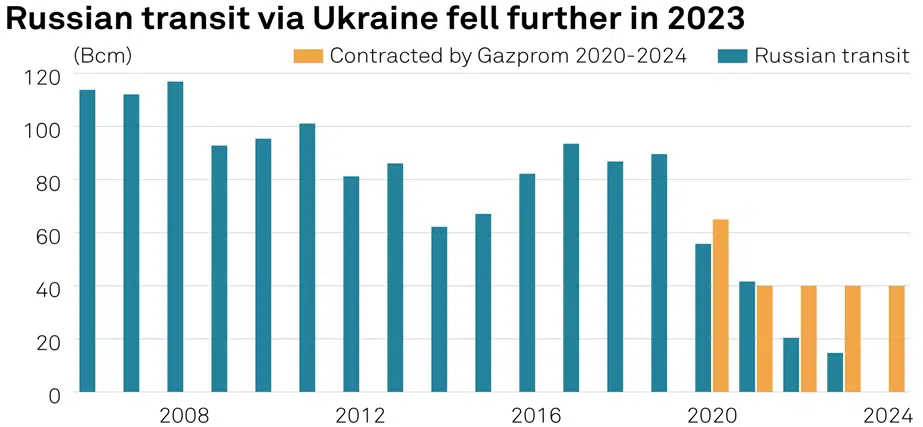
Excelerate Energy, Inc. (EE) provides key integration services and infrastructure along the natural gas-to-power liquefied natural gas (LNG) value chain. More specifically, the company operates ten floating storage regasification units (and has contracted with Hyundai Heavy Industries to build another), which has allowed EE to complete around 3,000 ship-to-ship transfers of LNG with more than 50 LNG operators since EE began operations.

Could Paysafe Ltd (PSFE) Double Your Money via Digital Wallets?
Paysafe Limited (PSFE) provides payment solutions, including credit and debit card processing, digital wallets, and real-time banking. The company serves 18 million active users in more than 120 countries who can interact with 250,000+ small and medium-sized businesses (SMBs).

Market Cap to GDP & the Importance of Basic Arithmetic
We've written a great deal about Warren Buffett’s favorite measure of market valuation market cap to GDP. Our research on the topic has demonstrated the ability of this simple metric to predict 10 year forward market returns.
The Merits of Midcaps Made Easy: Part I
Over time, Midcap’s performance, diversified sector exposure, and growth potential suggest that midcaps deserve a dedicated allocation in any long-term portfolio. This series will highlight some key data supporting Midcap’s role in delivering advantaged returns. No matter who you voted for, we would guess that everyone can agree that

President-Elect Trump was Right: Musk, Mid, Small & Microcaps
First things first: KCR is a nonpartisan publication. We have friends across the political spectrum. To a person, we are die-hard Americans who are grateful to be in this country. On to the issues at hand. No matter who you voted for, we would guess that everyone can agree that

Dot.com, AI and…Kimberly-Clark
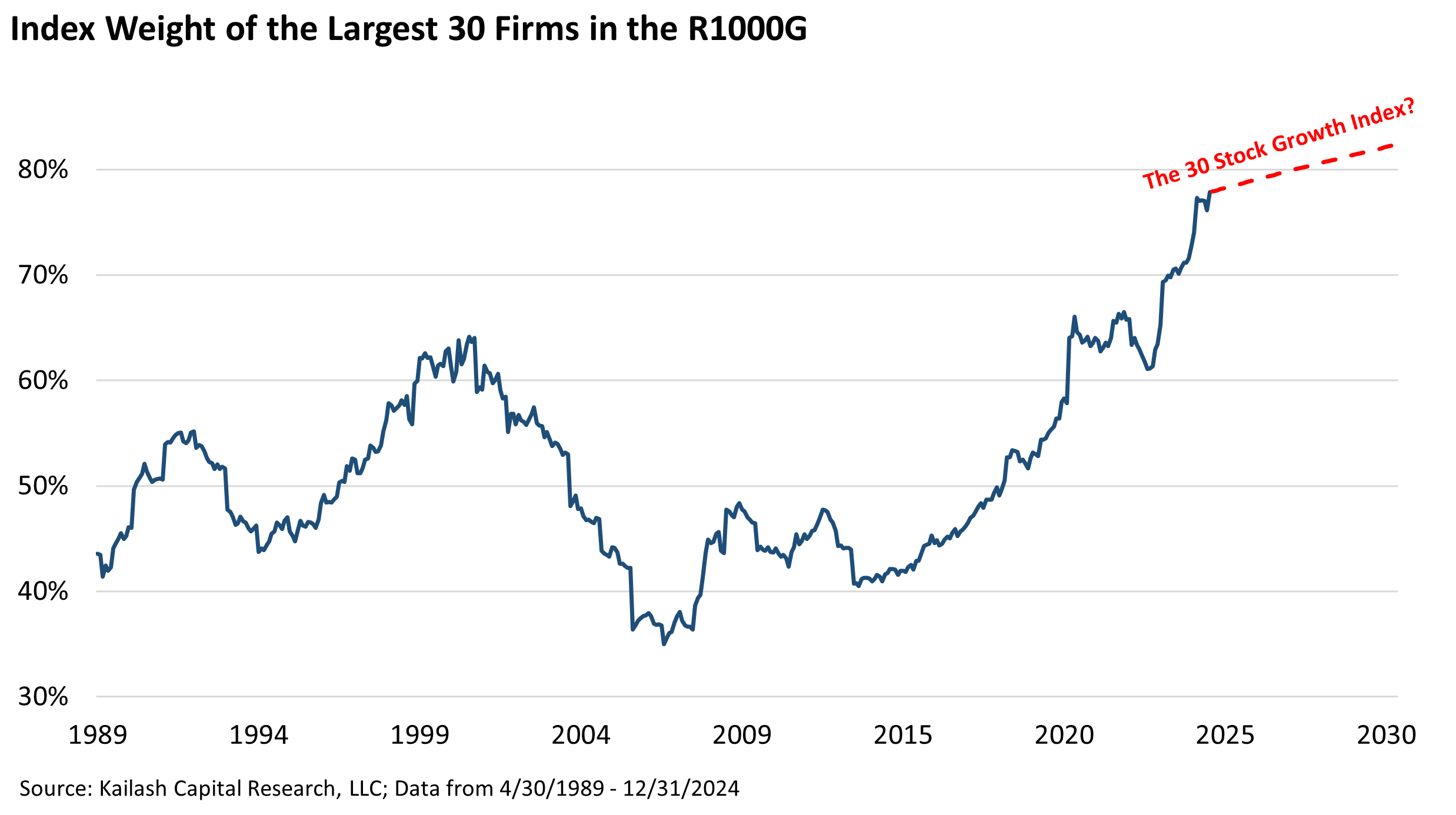
Despite a cacophony of narratives around AI, politics, and global conflicts, investors have continued to buy index funds and tech stocks with abandon. What has gone up is what is being bought up. In the short term this feels good. In the long-term, this sort of herding is a potent source of market inefficiencies. These inefficiencies represent opportunities for patient investors.
