


Dot.com, AI and…Kimberly-Clark
Despite a cacophony of narratives around AI, politics, and global conflicts, investors have continued to buy index funds and tech stocks with abandon. What has gone up is what is being bought up. In the short term this feels good. In the long-term, this sort of herding is a potent source of market inefficiencies. These inefficiencies represent opportunities for patient investors.

Does Dicks Sporting Goods (DKS) Have Much Farther to Run?
DICK’S Sporting Goods, Inc. (DKS) is the largest sporting goods retailer in the U.S. It holds about an 8.5% market share in the $140 billion total U.S. sporting goods market for hardlines, apparel, and footwear.
Staples Stocks: A Refuge from a Possible Tech Wreck?
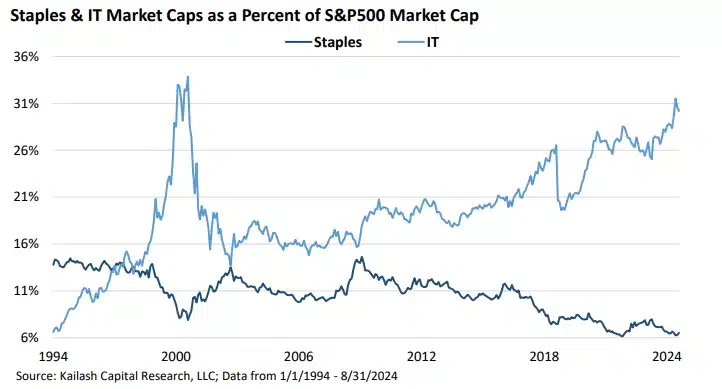
In Part I of our work on Consumer Staples stocks we provided data demonstrating that: 1. Staples stocks had generated the highest risk adjusted return of any sector over the last 30 years 2. That relative to the S&P500 Staples were as cheap as they were at a. The peak of the dot.com bubble and b. The peak of the Covid bubble – a moment when we pounded the table on Staples to great effect 3. Investor interest in Staples’ reliable earnings and income features had fallen to never before-seen lows
Is Ralph Lauren (RL) Ripe to Keep Running?
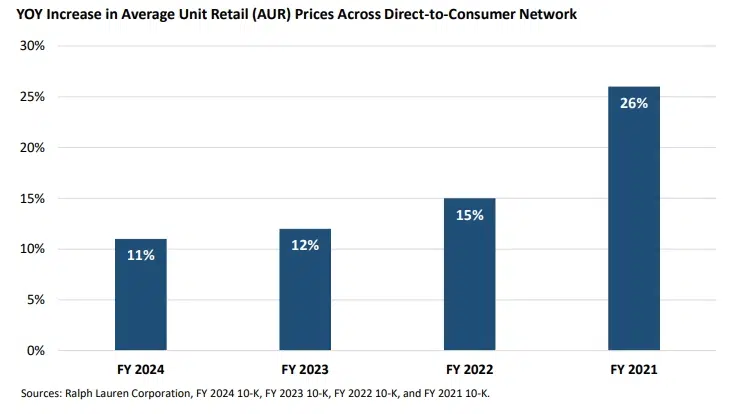
Ralph Lauren Corporation (RL) is a global leader in the design, marketing, and distribution of apparel and accessories that span the mid-range to luxury segments. RL’s products are sold through a variety of distribution channels under well-known brand names such as Polo Ralph Lauren and the Ralph Lauren Collection.
Staples Stocks: Could Boring Become Beautiful Once Again?
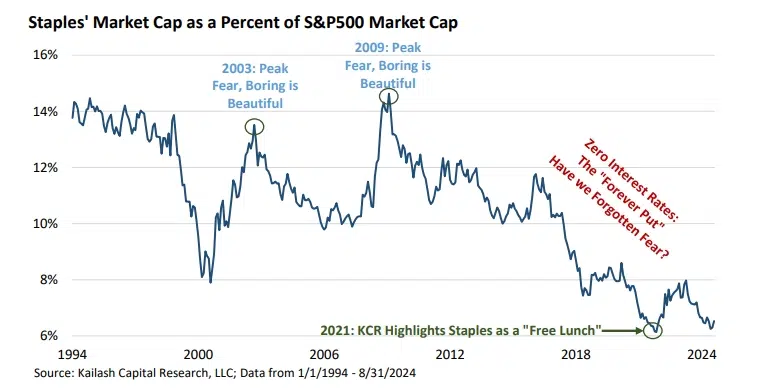
The market’s death spiral in 2008 and early 2009 sent the world into a panic. One KCR staffer was working out of a hotel overlooking one of the busiest container ports in the world. There was no movement.
Financial Advisers: Facing Down the Stock Comp Crisis
On Sept. 15, 2008, Lisa Roitman, a managing director at Lehman Brothers, was enjoying herself at a block party with her family in Greenwich, Connecticut, when a neighbor who worked at Goldman Sachs approached her. “I heard you were filing today,” he said. She was blindsided
How High ROIC Firms Could Cause the Next Crisis For Index Funds
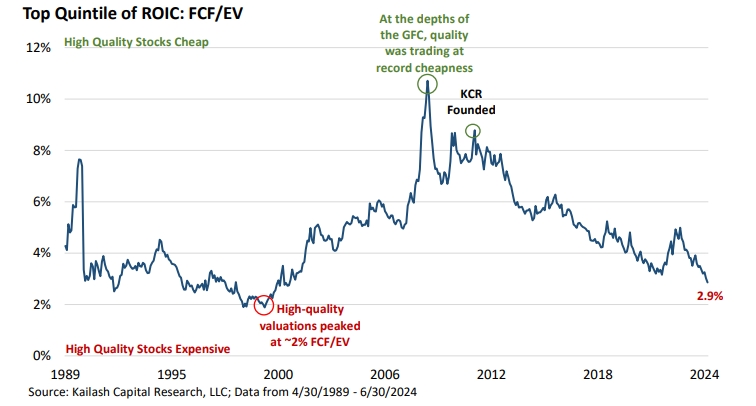
KCR was founded in 2010. A couple money managers looking to do something different. Honest. Unconflicted. Our asset allocation models were clear: high quality US large-cap blue chip stocks had almost never been cheaper relative to developed and emerging markets. US stocks looked like a free lunch to us in 2010. Simple.
Speculative Trading Returns with a Vengeance
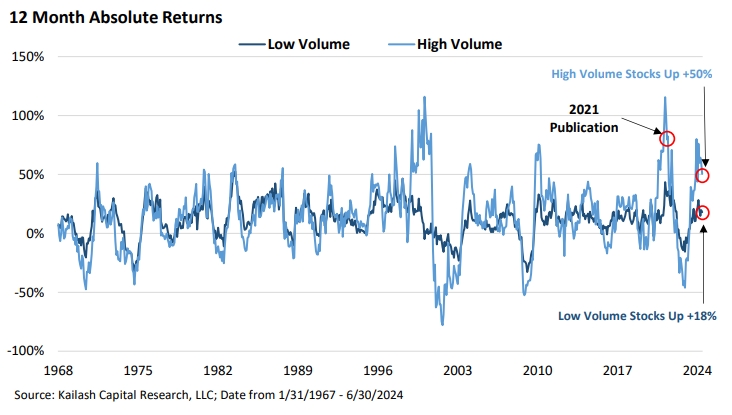
KCR is fond of highlighting the models where our methodologies are suffering. We do this as we think it shows intellectual honesty and highlights outsized opportunities to come. This piece is different. In our July 2021 missive The Low Value in High Volume, we focused on stocks with the lowest and highest volume.

Is MasterBrand Inc. (MBC) a Long Term Buy?
Founded nearly 70 years ago, MBC is the largest manufacturer of residential cabinets in North America. MBC is known for high quality products and innovative designs. Its business is closely tied to home improvement, repair and remodel (R&R), and new home construction activity in the United States and Canada.

Owens Corning (OC): A Bull Case for a Real Economy Stock
A global leader in the manufacturing of building and construction materials, Owens Corning (OC) sells its products in 30 countries. OC’s legacy business is divided into three segments: Roofing (~40% of sales), Insulation (~37% of sales), and Fiberglass Composites (~23% of sales).

Nvidia: A Quick Example of Excessive Extrapolation
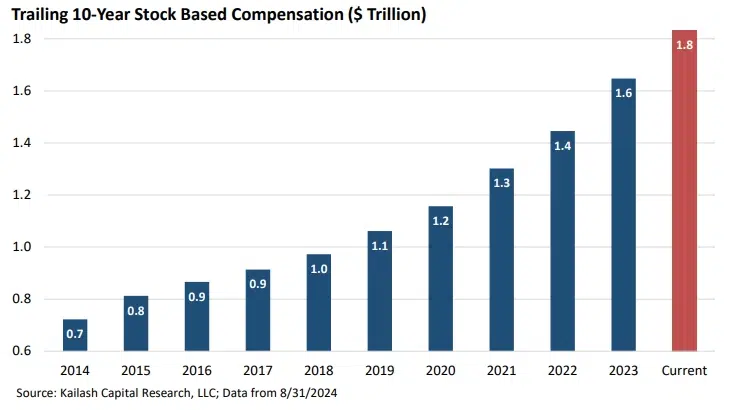
Last week we wrote a piece citing work done by some of the greats in behavioral finance – Benartzi, Tversky and Kahneman. Our work suggested that the recent wall of stock-based compensation could create unprecedented risk for employees. Millions of individuals often refuse to diversify their stock comp due to well-understood behavioral errors. Most recently,

Excessive Extrapolation & Stock Based Compensation
The researchers and portfolio managers who write KCR’s newsletter do their best to follow the data. We use sophisticated analytical tools to identify areas where we see significant market inefficiencies. Yet history does not repeat; it rhymes, which means we get things wrong. We write about that, too. Most recently,